Ezekiel 2:1–3:11 · Report 1 of 3
Hebrew, history, and textual criticism
Read the translated research, tables, images, and bibliography below. Scholarly claims and ratings remain the supplied draft’s assessments, rather than independently verified peer-review findings. The Korean Naver original is preserved below for comparison. Hebrew terms are retained; scriptural phrases are translated lexical glosses or identified public-domain WEB excerpts, rather than reproductions of an unverified copyrighted English edition.
World English Bible: Ezekiel 2 · Public-domain notice
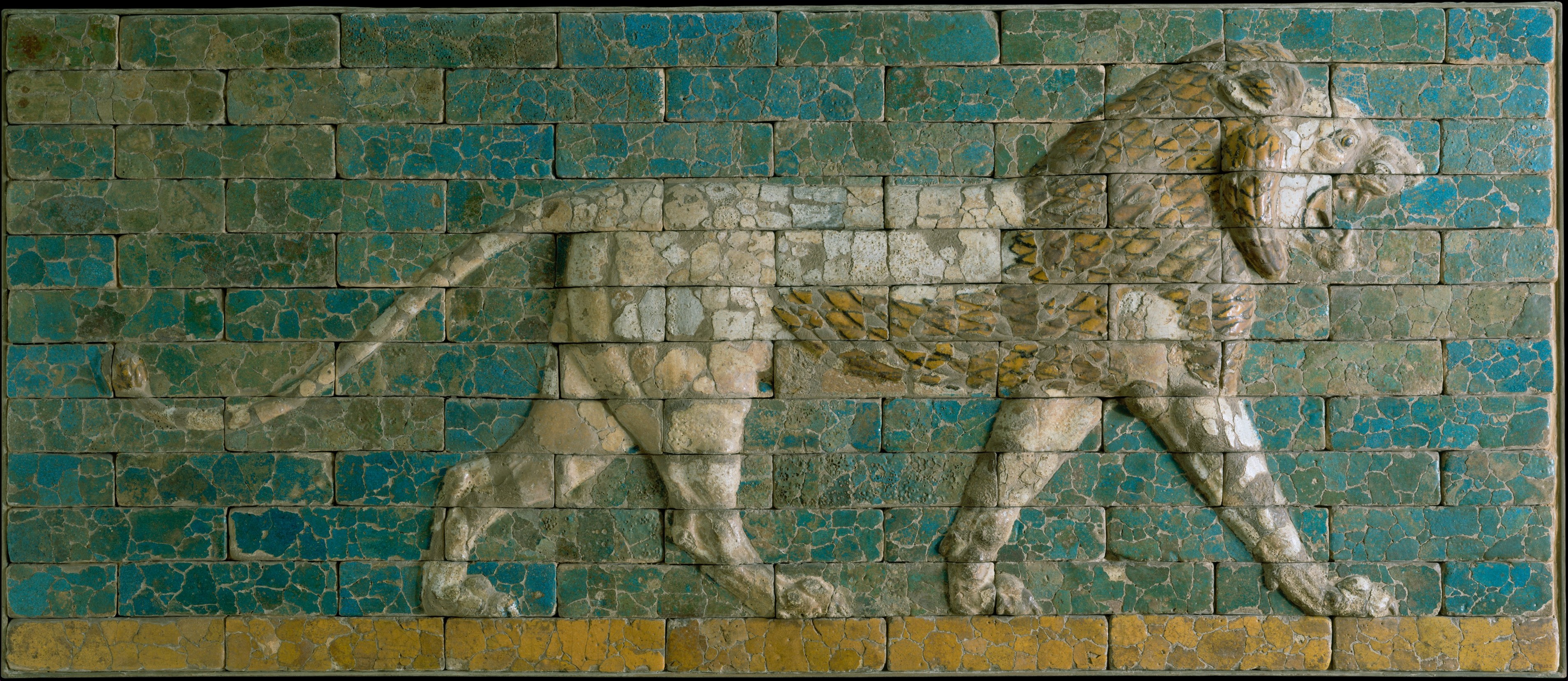
Lion relief from Babylon’s Processional Way (c. 604–562 BCE), illustrating the urban and religious environment of Nebuchadnezzar II rather than Ezekiel’s call. The Metropolitan Museum of Art, 31.13.2, Fletcher Fund, 1931. Public Domain / CC0. Image source
1. Ezekiel 2:1–3:11: Historical-Grammatical Exegesis and Textual Criticism — Exile, Prophetic Calling, and Scribal Culture
A. Executive summary
This report examines historical, grammatical, textual-critical, and theological dimensions of Ezekiel’s call in 2:1–3:11. Against the trauma of sixth-century BCE Babylonian exile, Ezekiel depicts a prophet physically receiving God’s word and being sent to an unresponsive, rebellious community[1]. The passage combines ancient Near Eastern scribal culture, priestly purity and embodiment, and prophetic-call patterns to explain how a messenger receives authority amid Israel’s collapsed covenantal and political order.
The study begins with the Masoretic Text (MT), drawing on the Septuagint (LXX), Papyrus 967, and Qumran research to reconstruct the textual history[3]. It argues that Ezekiel’s autonomous prophetic agency is displaced as divine רוּחַ raises him and ingestion of a sacred scroll embodies the message within him[5]. The completeness of judgment on a scroll written on both sides, together with its paradoxical honey-like sweetness, makes the commission depend on divine sending rather than audience acceptance or success[6]. The passage should be interpreted through ancient treaty violation, embodied trauma, and scribal textual authority rather than projecting later pneumatology or New Testament Son-of-Man Christology backward. Mimetic hardness equips the prophet to proclaim sovereign YHWH’s word against communal resistance.
B. Textual unit & structure
Ezekiel 2:1–3:11 forms the center of the wider call narrative (1:1–3:15). The divine glory (כְּבוֹד־יְהוָה) and cosmic throne (Merkabah) of 1:1–28a lead into the prophet’s collapse at 1:28b, introducing call and commission. Spirit-driven movement and seven days of silence in 3:12–15 conclude the scene; the watchman’s duties begin at 3:16. Thus 2:1–3:11 is a coherent subunit of empowerment and internalization of the message.
The sequence moves through reception, internalization, and confrontational sending. First, 2:1–2 contrasts human incapacity before divine glory with empowerment through רוּחַ. Second, 2:3–7 identifies Israel as rebellious and announces a commission independent of whether people listen. Third, 2:8–10 warns the prophet against rebellion and introduces the scroll written on both sides. Fourth, 3:1–3 depicts the written revelation becoming embodied through eating. Finally, 3:4–11 contrasts Israel with foreign-language peoples, intensifies its resistance, and gives the prophet a harder face and forehead before sending him to the exiles (גּוֹלָה). Israel’s rebellion and prophetic counter-obduracy are arranged symmetrically within a scribal and priestly process of receiving the word.
C. Hebrew glossary (25 key terms)
Twenty-five key Hebrew terms analyzed morphologically and semantically for close grammatical and theological reading.
|
No. |
Hebrew |
Transliteration |
Morphological analysis |
Meaning and function in the passage |
|---|---|---|---|---|
|
1 |
בֶּן־אָדָם |
ben-’adam |
Noun collocation (Construct chain) |
“Son of man / human being”: an address emphasizing mortality before the creator. |
|
2 |
רוּחַ |
ruaḥ |
Feminine noun |
“Spirit / wind”: the divine agent taking hold of and raising Ezekiel’s body. |
|
3 |
מֶרִי |
meri |
Noun |
“Rebellion”: characterizes Israel through the expression “rebellious house” (בֵּית מֶרִי). |
|
4 |
מוֹרְדִים |
moredim |
Qal active participle, masculine plural |
“Rebels”: political resistance, with implications of ancient Near Eastern treaty violation. |
|
5 |
פָּשְׁעוּ |
paš‘u |
Qal perfect, third-person common plural |
“They have transgressed”: deliberately crossing covenantal boundaries. |
|
6 |
קְשֵׁי (פָנִים) |
qəšey |
Adjective, masculine plural construct |
“Hard-faced / impudent”: outwardly expressed stubborn refusal. |
|
7 |
חִזְקֵי־(לֵב) |
ḥizqey- |
Adjective, masculine plural construct |
“Hard-hearted”: an inward unwillingness to yield. |
|
8 |
אִם |
’im |
Conjunction |
“Whether / if”: conditional or concessive. |
|
9 |
יִשְׁמְעוּ |
yišmə‘u |
Qal imperfect, third-person masculine plural |
“They will hear / obey”: willing reception beyond hearing sound. |
|
10 |
יֶחְדָּלוּ |
yeḥdalu |
Qal imperfect, third-person masculine plural |
“They will desist / refuse”: explicit refusal to hear prophecy. |
|
11 |
סָרָבִים |
saravim |
Noun, masculine plural (hapax) |
“Briers / rebels”: a difficult botanical metaphor for hostile hearers. |
|
12 |
סַלּוֹנִים |
salonim |
Noun, masculine plural |
“Thorns”: the painful hostile environment surrounding the prophet. |
|
13 |
עַקְרַבִּים |
‘aqrabbim |
Noun, masculine plural |
“Scorpions”: a rhetorical animal image of a dangerous audience. |
|
14 |
מְגִלַּת־סֵפֶר |
məgillat-sefer |
Construct noun phrase |
“Scroll of a book”: the physical scribal form of the written word. |
|
15 |
פָּנִים וְאָחוֹר |
panim wə’aḥor |
Noun phrase |
“Front and back”: an opisthograph conveying the dense completeness of judgment. |
|
16 |
קִינִים |
qinim |
Noun, feminine plural |
“Lamentations”: funerary mourning over death and national destruction. |
|
17 |
הֶגֶה |
hegeh |
Noun |
“Mourning / groaning”: a low utterance of grief and pain. |
|
18 |
הִי |
hi |
Noun (hapax / onomatopoeia) |
“Woe / calamity”: an expression of extreme catastrophe and lament. |
|
19 |
אָכַל |
akhal |
Qal imperative / perfect verb |
“Eat”: embodiment of the word beyond passive listening. |
|
20 |
מָלֵא |
male’ |
Piel imperfect / imperative |
“Fill”: filling the belly completely with revelation. |
|
21 |
בֶּטֶן/מֵעַיִם |
beṭen / me‘ayim |
Noun |
“Belly / inward parts”: the body’s and emotions’ deepest interior (body mapping). |
|
22 |
דְּבַשׁ |
dvaš |
Noun |
“Honey”: the sweetness of divine order in receiving the word, within wisdom tradition. |
|
23 |
עִמְקֵי (שָׂפָה) |
‘imqey |
Adjective, masculine plural construct |
“Deep of lip”: foreign speech’s phonetic and semantic difficulty. |
|
24 |
כִּבְדֵי (לָשׁוֹן) |
kivdey |
Adjective, masculine plural construct |
“Heavy of tongue”: the linguistic barrier of unfamiliar speech. |
|
25 |
שָׁמִיר |
šamir |
Noun |
“Adamant / flint”: a hard mineral property bestowed on the prophet’s forehead[7]. |
These terms interweave Israel’s habitual rebellion (מֶרִי, פָּשְׁעוּ), scribal authority (מְגִלַּת־סֵפֶר), physical internalization (אָכַל, בֶּטֶן), and divine strength (שָׁמִיר).
D. In-depth verse-by-verse exegesis
Ezekiel 2:1 — Human finitude and divine command “Son of man, stand on your feet, and I will speak with you.” (WEB) This first command addresses Ezekiel collapsed before divine glory (1:28b). בֶּן־אָדָם denotes mortal humanity rather than an office. עֲמֹד (Qal imperative) requires active standing, which the overwhelmed prophet cannot yet accomplish on his own. וַאֲדַבֵּר (Piel first-person imperfect) places the initiative for revelation with YHWH.
Ezekiel 2:2 — Restored agency through the divine Spirit “The Spirit entered into me when he spoke to me, and set me on my feet; and I heard him who spoke to me.” (WEB) The gap between command (2:1) and performance (2:2) is bridged by רוּחַ rather than autonomous will. Throughout Ezekiel, this Spirit is more than cognitive inspiration: it takes hold of and moves the prophet’s body as an agent of prophetic action[9]. וַתַּעֲמִדֵנִי (Hiphil consecutive imperfect) depicts the Spirit actively setting Ezekiel upright. Divine possession restores him physically as an agent capable of fulfilling the commission[5].
Ezekiel 2:3–4 — Rebellion and the rhetoric of covenant violation Ezekiel is sent to Israel, described in the WEB as “a nation of rebels” and as “impudent and stiff-hearted.” The Hebrew combines בְּנֵי יִשְׂרָאֵל with the striking plural גּוֹיִם הַמּוֹרְדִים, interpreted here as rhetorically assimilating Israel to rebellious nations. מוֹרְדִים and פָּשְׁעוּ echo political rebellion in ancient suzerain–vassal treaties, indicting persistent covenantal resistance to YHWH. קְשֵׁי פָנִים and חִזְקֵי־לֵב pair outward impudence with inward inflexibility.
Ezekiel 2:5–7 — Prophetic independence from outcomes Whether people listen or refuse (אִם־יִשְׁמְעוּ וְאִם־יֶחְדָּלוּ), they will recognize a prophet among them. Briers, thorns (סָרָבִים וְסַלּוֹנִים), and scorpions (עַקְרַבִּים) accompany the command not to fear (אַל־תִּירָא). The contrast of שָׁמַע and חָדַל relocates success from audience repentance to faithful proclamation. The audience’s eventual recognition of divine authority is central. The difficult plant and animal language accumulates metaphors of hostile hearers rather than describing a literal habitat[1].
Ezekiel 2:8–10 — The scroll vision and warning against rebellion The prophet must not rebel (אַל־תְּהִי־מֶרִי) but open his mouth and eat. A hand extends a מְגִלַּת־סֵפֶר, written כְתוּבָה פָּנִים וְאָחוֹר, bearing קִינִים, וָהֶגֶה, and וָהִי. The warning shows that prophetic status does not guarantee obedience. The densely written opisthograph, a product of scribal culture, visualizes judgment’s overwhelming completeness; its contents are lamentation, mourning, and woe[6].
Ezekiel 3:1–3 — Physical internalization: Embodiment of the word The command to eat (אֱכוֹל) and fill belly and inward parts (בִּבְטְנְךָ; וּמֵעֶיךָ תְמַלֵּא) culminates in honey-like sweetness (כִּדְבַשׁ לְמָתוֹק). Ezekiel opens his mouth to receive the word (אָכַל). The mouth–inward parts–belly mapping embodies written revelation physically. Sweetness lies in obedient reception of divine order, Torah, and wisdom, rather than enjoyment of judgment’s destructive content[11].
Ezekiel 3:4–7 — The foreign-language paradox and envoy logic The prophet is sent to speak God’s words (בִּדְבָרַי), not to peoples of difficult speech (עִמְקֵי שָׂפָה וְכִבְדֵי לָשׁוֹן). Israel refuses him because it refuses God (כִּי־אֵינָם אֹבִים לִשְׁמֹעַ אֵלָי). This counterfactual contrasts foreign peoples who might obey despite a language barrier with same-language Israel’s refusal. The problem is volition rather than communication. Ancient envoy logic identifies rejection of the messenger with rejection of the sovereign sender.
Ezekiel 3:8–11 — Mimetic hardness and the commission to the exiles God hardens the prophet’s face and forehead beyond the people’s, like adamant harder than flint (כְּשָׁמִיר חָזָק מִצֹּר), and sends him to his exiled compatriots (בְּנֵי עַמֶּךָ הַגּוֹלָה). שָׁמִיר (emery / flint) describes the divinely bestowed resistance[7]. This is resilience and mimetic hardness against hostility. Having fully received the word, Ezekiel is commissioned to the historical Babylonian exiles as a divine messenger whose mandate is independent of their reception.
E. MT–LXX–P967 Text-Critical Matrix
The textual history is complex. The LXX of Ezekiel is approximately 4–5% shorter than the MT; scholars debate translation differences versus distinct Hebrew literary editions[3]. Papyrus 967 preserves an early Old Greek form, but its surviving Ezekiel text starts at 11:25 and supplies no direct reading for 2:1–3:11[3]. The Qumran manuscripts discussed here (4Q73, 4Q74, 4Q75) likewise do not preserve this passage[4]. Comparison therefore centers on the MT and major uncials such as Codex Vaticanus.
|
Verse |
MT (Masoretic Text) |
LXX (Septuagint) |
P967 / Qumran |
Likely Explanation & Exegetical Impact |
Confidence |
|---|---|---|---|---|---|
|
2:3 |
אֶל־גּוֹיִם הַמּוֹרְדִים (rebellious nations) |
omit (Omission) |
Not Extant |
Scribal Expansion vs Omission. The MT plural גוים strongly portrays Israel as paganized nations. The source associates T. Mackie with interpreting it as deliberate scribal expansion[17], while an alternative is that the LXX translator omitted a theologically difficult expression. The MT’s rhetorical shock is greater. |
High |
|
2:4 |
קְשֵׁי פָנִים וְחִזְקֵי־לֵב (hard-faced and hard-hearted) |
omit (Omission) |
Not Extant |
LXX shorter reading. The LXX omits repeated descriptions of Israel’s hardness. The study proposes MT expansion in 2:4 to strengthen the symmetry in 3:7 between Israel’s hard forehead / heart and Ezekiel’s hardened forehead. |
High |
|
2:6 |
סָרָבִים וְסַלּוֹנִים (briers and thorns) |
παροιστρήσουσιν... ἐπὶ σὲ (frenzy/sting against you) |
Not Extant |
Translation Technique. Facing a difficult Hebrew botanical hapax, the LXX translator renders a dynamic sense of hostile frenzy or stinging rather than literal plant terminology. |
Medium |
|
3:5-6 |
עִמְקֵי שָׂפָה וְכִבְדֵי לָשׁוֹן (deep of lip and heavy of tongue) |
βαθύχειλον καὶ βαρύγλωσσον (Singular) |
Not Extant |
Morphological shift. The MT uses plurals for foreign peoples; the LXX uses a representative singular. The essential rhetorical contrast remains similar. |
High |
|
3:6 |
אִם־לֹא אֲלֵיהֶם שְׁלַחְתִּיךָ הֵמָּה יִשְׁמְעוּ אֵלֶיךָ (if I had sent you to them, they would have listened) |
εἰ μὴ πρὸς τοιούτους ἐξαπέστειλά σε, οὗτοι ἂν εἰσήκουσάν σου |
Not Extant |
Syntactic Agreement. Both editions preserve the counterfactual force contrasting Israel’s resistance with imagined foreign receptivity. |
Very High |
F. Prophetic call comparison matrix
Call narratives establish prophetic legitimacy. Classical studies associated with N. Habel and W. Zimmerli identify divine encounter, fear or objection, reassurance, commission, and sign. Ezekiel differs through overwhelming vision and the absence of an explicit objection.
|
Motif |
Moses (Exod 3-4) |
Isaiah (Isa 6) |
Jeremiah (Jer 1) |
Amos (Amos 7) |
Micaiah (1 Kgs 22) |
Samuel (1 Sam 3) |
Ezekiel (Ezek 1-3) |
|---|---|---|---|---|---|---|---|
|
Divine Appearance |
Burning bush |
Temple throne and seraphim |
Visions, including an almond branch |
Locust / plumb-line visions |
Heavenly throne and host |
A voice at night |
Cherubic chariot and glory (Kabod) beside the Chebar |
|
Human Posture |
Covering the face |
A cry of woe |
Fear |
Appeal to the Lord GOD |
- |
Rises from lying down and runs |
Overwhelmed and prostrate; raised by ruah |
|
Objection |
Objections about inadequacy and speech |
Confession of unclean lips |
Youth and inability to speak |
Denial of professional prophetic status |
- |
- |
No explicit objection (silence / paralysis) |
|
Divine Touch |
- |
A coal touches the lips |
A hand touches the mouth |
- |
- |
- |
A visionary hand extends a scroll |
|
Word Placed in/on |
Words placed in the mouth |
Forgiveness declared |
Words placed in the mouth |
- |
A lying spirit enters the mouth |
The word revealed to the ear |
Physical eating of the scroll (embodiment) [cite: 6] |
|
Sending |
Sent to Pharaoh |
Sent to this people |
Sent wherever God directs |
Command to prophesy to Israel |
Sent to King Ahab |
Warning addressed to Eli’s house |
Sent to Israel / the exiles (Golah) |
|
Resistant Audience |
Pharaoh’s hardness |
A people with dulled hearts |
Kings, priests, and people |
Resistance from Amaziah the priest |
King Ahab’s hostility |
Eli’s passive acceptance |
An impudent, hard-hearted, rebellious people |
|
Reassurance |
Assurance of divine presence |
- |
Assurance of deliverance |
- |
- |
YHWH’s accompanying presence |
A forehead hardened like shamir [cite: 7, 8] |
|
Symbolic Action |
A staff becomes a snake |
- |
- |
- |
Iron horns (Zedekiah) |
- |
Symbolic / visionary eating of a scroll |
Analytical insight: The absence of explicit objection is explained by Ezekiel’s physical and psychological subjection before the divine glory in Chapter 1[1]. Before he can protest inability, ruah raises him and he must swallow the scroll. Trauma-oriented readings associated with D. Smith-Christopher interpret this as a coercive divine emergency exceeding individual will within the oppressive conditions of Babylonian exile[2].
G. בן־אדם: Word study
בֶּן־אָדָם (ben-adam), first used in 2:1, occurs 93 times in Ezekiel according to the source, functioning as God’s distinctive address to the prophet.
Semantic analysis: Literally “son of man,” the construction indicates a member of humankind: ben expresses belonging or character, and adam humanity associated with earth. Its sense here is mortal human or finite creature.
Contextual function: The reading associated with W. Zimmerli and M. Greenberg contrasts Ezekiel’s frailty and lowliness with Chapter 1’s transcendent Merkabah and divine glory (כְּבוֹד־יְהוָה).
Caution about later conceptual developments: Ezekiel’s בֶּן־אָדָם should be distinguished in its primary context from Daniel 7:13’s apocalyptic humanlike figure (כבר אנש) and Jesus’ messianic Son-of-Man language (ὁ υἱὸς τοῦ ἀνθρώπου). Projecting later exalted Christological meanings backward obscures the passage’s emphasis on creaturely finitude.
H. רוח: Analysis of agency
The role of רוּחַ in 2:2—entering and raising the prophet—has a distinctive place within biblical prophetic tradition.
Physical agency (Wind / Force): This study distinguishes Ezekiel’s ruah from later Trinitarian formulations and merely inward insight. Research associated with J. Lapsley and I. Lilly treats it as powerful divine wind or force seizing, moving, and raising the body through empowerment and possession[5]. Compare transport in 3:12, 3:14, 8:3, and 11:1, and movement to the dry-bones valley in 37:1.
Dispossession and restoration of prophetic agency: Ezekiel does not stand by autonomous resolve. Agency has collapsed at 1:28b and becomes possible through ruah’s forceful intervention. The prophet’s body thus anticipates disempowered exilic Israel’s restoration, as in the dry bones[5].
I. Vocabulary map of the rebellious house
The study contrasts the ordinary designation בֵּית יִשְׂרָאֵל with Ezekiel’s repeated, provocative בֵּית הַמֶּרִי, “rebellious house,” counted here sixteen times.
Borrowing political and diplomatic vocabulary: מֶרִי, מוֹרְדִים (participial מָרַד), and פָּשְׁעוּ (perfect פָּשַׁע) draw on ancient suzerain–vassal language for tributary resistance and political revolt.
Theodicy through covenantal rebellion: Ezekiel maps Judah’s political disaster following rebellion against Nebuchadnezzar onto covenant violation against YHWH[10]. Idolatry and disobedience become political-covenantal revolt rather than merely ethical failure. Jerusalem’s destruction and exile are explained as judgment by a just sovereign rather than divine incapacity.
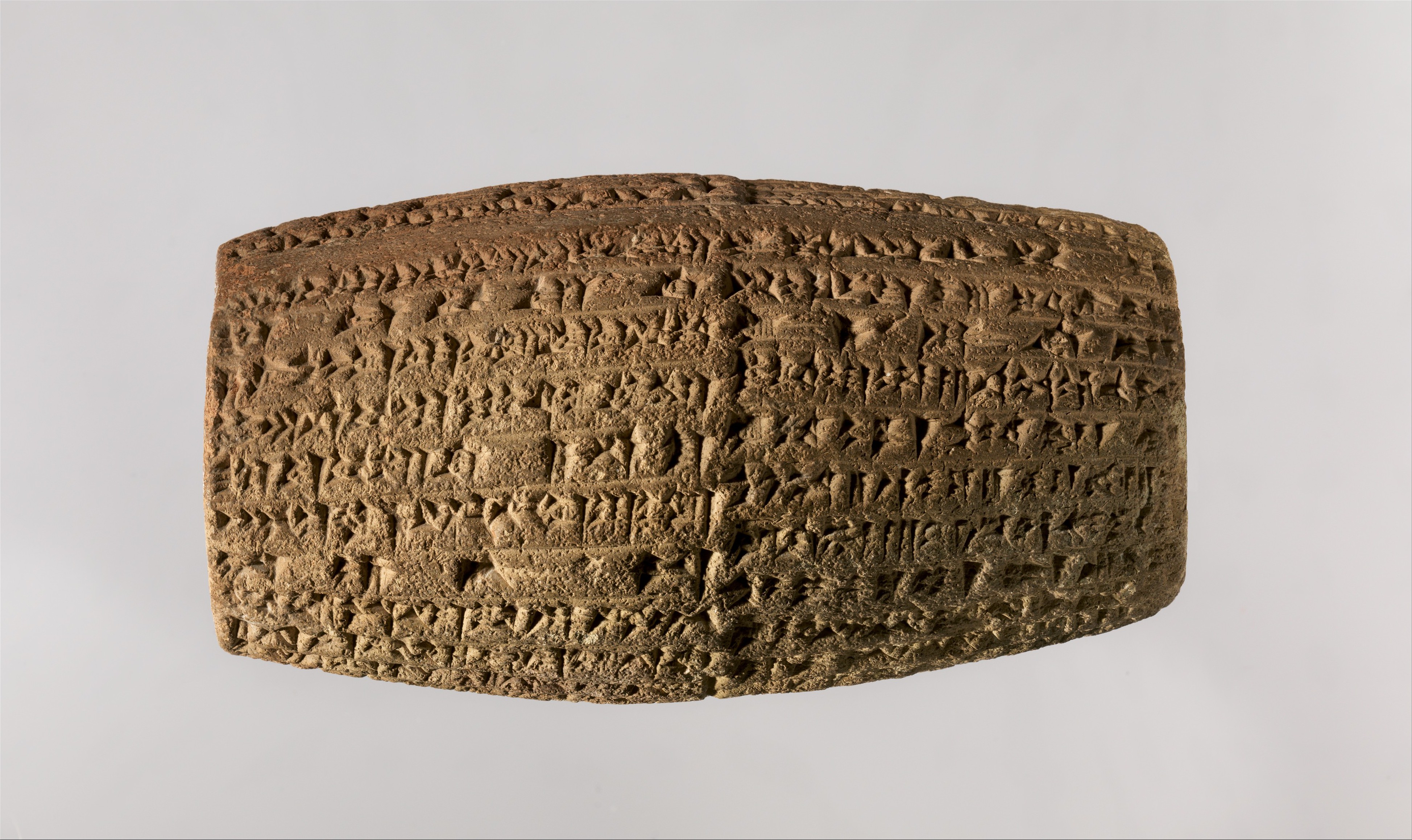
Cuneiform clay cylinder commemorating Nebuchadnezzar II’s outer wall at Babylon (c. 604–562 BCE). It illustrates contemporary imperial and scribal culture, but differs from the scroll in Ezekiel 2:9–3:3. The Metropolitan Museum of Art, 86.11.60, Purchase, 1886. Public Domain / CC0. Image source
J. Scroll Technology / Literacy / ANE Matrix
The hand extending a scroll (מְגִלַּת־סֵפֶר) in 2:9 introduces the material reality of ancient scribal culture into prophetic literature[6].
|
Technical / cultural motif |
Ancient Near Eastern and biblical context |
Function and implications in Ezekiel |
Ezekiel’s distinctive reversal |
|---|---|---|---|
|
Scroll writing |
Papyrus or leather scrolls were conventionally written on the inner recto surface. |
Writing on both front and back (panim wə’aḥor; opisthograph) visualizes an abundance of judgment filling even the available margins. |
Beyond hearing oral revelation, the prophet receives a completed, fixed visual text, establishing revelation’s binding authority[6]. |
|
Textual ingestion |
Egyptian and Mesopotamian traditions include consuming written magical or medicinal knowledge in liquid or other forms[22]. |
By swallowing revelation, the prophet becomes an embodiment of the message rather than simply observing it. |
The purpose is obedient embodiment of a covenantal commission of judgment rather than magical efficacy or control[11]. |
K. Models of scroll eating
The study compares three major approaches to Ezekiel’s eating in 3:1–3.
Embodiment / internalization model — M. Odell: The interpretation associated with Margaret Odell reads the act as prophetic initiation embodying judgment within the priestly prophet, rather than a memory technique[6]. The prophet’s body becomes a sanctuary holding God’s word.
Scribal authorization model — E. Davis: Ellen Davis and related readings identify a transition from oral prophet to scribal prophet dependent on fixed text. Swallowing written revelation gives proclamation the authority of divine instruction that cannot be negotiated or altered.
Trauma and disempowerment model — D. Smith-Christopher: Trauma-oriented critics attend to bodily coercion: the opened mouth and compelled swallowing of an unwanted judgment scroll[1]. They interpret this as reflecting exile’s extreme loss of power and traumatic stress. Unusual bodily action becomes somatized communication under oppression. This is an interpretive model rather than a retrospective clinical diagnosis[2]. (Revelation 10:8–11 later appropriates Ezekiel’s scroll-eating imagery intertextually within an apocalyptic setting.)
L. The sweetness–woe paradox
The scroll contains קִינִים, הֶגֶה, and הִי—lamentation, mourning, and woe (2:10)—yet tastes כִּדְבַשׁ לְמָתוֹק, sweet as honey (3:3). The study explains this bitter-content / sweet-reception paradox through two theological settings.
Wisdom and Torah traditions: Psalms 19:10 and 119:103 associate God’s instruction with honey-like sweetness. In the source’s priestly reading of Ezekiel (1:3), even judgment on homeland and temple is received as the sweetness of divine order and holy justice[12].
The inward joy of obedience: After the warning against rebellion (2:8), receiving the word fully into belly and inward parts becomes joyful union with revelation. The bitterness of spirit in 3:14 is the subsequent pain of confronting hostile reality while bearing that word, rather than a contradiction of sweetness at reception.
M. Israel versus foreign-language peoples
Counterfactual rhetoric in Ezekiel 3:4–7 intensify the portrayal of Israel’s unresponsiveness.
The prophet is not sent to peoples of unfamiliar speech (עִמְקֵי שָׂפָה וְכִבְדֵי לָשׁוֹן). The hypothetical claim that they would listen despite linguistic barriers functions as rhetorical shaming.
Israel shares language and culture with Ezekiel but refuses to listen (כִּי־אֵינָם אֹבִים לִשְׁמֹעַ). The obstacle is deliberate unwillingness, not ambiguity or inadequate communication technique.
Envoy logic: Ignoring an envoy insults the sending king. Ezekiel 3:7 applies that diplomatic logic: refusal of the prophet continues rebellion against the sovereign YHWH.
N. Hard Face/Heart/Forehead Semantic Matrix
To prevent the prophet from being crushed by refusal, 3:8–9 equips him with divine hardness exceeding Israel’s.
|
Target |
Hebrew description |
Literal meaning |
Metaphorical meaning and theological effect |
|---|---|---|---|
|
Israel |
קְשֵׁי פָנִים / חִזְקֵי־לֵב |
Hard-faced / strong-hearted |
Shameless stubbornness and deliberate refusal of God’s will. |
|
Ezekiel |
פָּנֶיךָ חִזְקִים / מִצְחֲךָ חָזָק |
Face and forehead strengthened |
Divine prophetic courage to confront a mocking and threatening audience without intimidation. |
|
Ezekiel |
כְּשָׁמִיר חָזָק מִצֹּר |
Like adamant / emery harder than flint |
Mimetic hardness. By making the prophet’s forehead harder than Israel’s, YHWH protects and strengthens him in the rock-against-rock confrontation[7]. |
Interpretive caution: Translating שָׁמִיר definitively as a modern mineralogical diamond risks anachronism[7]. Jeremiah 17:1 and Zechariah 7:12 point to exceptionally hard material used for engraving or striking—flint, emery, adamant—serving as a literary image of unyielding strength.
O. Competing redactional models
Four major hypotheses address how the call in 2:1–3:11 relates to Chapter 1’s glory vision and subsequent material.
Model A — Literary unity: The reading associated with M. Greenberg and L. Allen treats 1:1–3:15 as a carefully unified narrative by the historical Ezekiel. Discontinuity and repetition represent the prophet’s overwhelming experience rather than necessarily editorial seams.
Model B — Expanded core call tradition: Using form criticism, W. Zimmerli locates an original call tradition in the commission and scroll vision of 2:3–3:11*. The grand Merkabah vision and linking material are treated as later expansion by Ezekiel or an Ezekielian priestly school.
Model C — Progressive scribal expansion: T. Mackie’s comparison of MT and LXX is presented as evidence of later scribes adding theological modifiers, such as Israel’s treatment as nations and cumulative hardness language in 2:3–4, to strengthen coherence and emphasis[17]. Scribes thus function as interpreters rather than merely copyists.
Model D — Variant literary editions: The source associates I. Lilly and H. Yip with reading the Old Greek and MT as parallel literary editions with distinct theological orientations, beyond simple copying mistakes. MT intensifies judgment and rebellion, while Greek traditions sometimes soften or rearrange material[13].
P. Claim–Evidence–Counterevidence–Confidence Matrix
The following matrix assesses central exegetical claims with scholarly confidence ratings supplied by the study.
|
Scholarly claim |
Supporting evidence |
Counterevidence and alternatives |
Confidence |
|---|---|---|---|
|
Scroll eating reflects the textualization of revelation in scribal culture. |
The eating of מְגִלַּת־סֵפֶר and written rather than purely oral prophetic instruction fit ancient documentary practices[6]. |
Jeremiah 15:16 also uses eating imagery, so this may be a broader internalization metaphor rather than a development unique to Ezekiel. |
High |
|
The MT phrase גּוֹיִם הַמּוֹרְדִים in 2:3 is a later scribal expansion assimilating Israel to Gentile nations. |
The phrase is absent from the LXX; calling Israel plural goyim is highly unusual[17]. |
The LXX translator may instead have omitted a shocking MT expression. |
Medium |
|
Ezekiel’s silence and bodily actions express traumatized somatization. |
No objection motif or verbal protest accompanies swallowing; this may reflect exilic disempowerment[1]. |
A counterreading sees divine control and wisdom-like joy rather than pathology; psychological reduction is a risk. |
Medium |
|
The commission in 1:28b–3:15 forecloses audience repentance. |
The hearing-or-refusal formula (2:5), hardened forehead (3:8), and linguistic paradox (3:6). |
Later watchman material and Chapters 18 and 33 urge personal repentance and survival and assign responsibility to the prophet. |
High (Restricted to this call unit) |
Q. Conclusion
Ezekiel 2:1–3:11 depicts revelation becoming an authoritative text bound to divine origin amid national destruction and forced migration. Israel is portrayed as a rebellious covenant-breaker, rhetorically assimilated to other nations, with resistance accumulating in hard faces and hearts. God responds by placing ruah within the prostrate, finite ben-adam and compelling him to stand[5]. Eating the densely written judgment scroll transforms the prophet from a speaking mouthpiece into an embodied, mobile scribal text[6]. The counterfactual receptivity of foreigners sharpens the indictment, while shamir-like mimetic hardness equips him against the audience’s rocklike resistance[7]. The commission is independent of whether hearers repent: proclamation itself fulfills the task. This call narrative gives resilience to a prophet entering a hostile exilic community[1]. It also establishes him as evidence through which the audience will eventually recognize that YHWH’s authorized prophet stood among them[2]. Unable to stand by himself, the creature becomes a messenger through the word filling his body, addressing a devastated community with final judgment and the possibility of re-creation.
R. Bibliography (SBL Handbook of Style, second edition)
Allen, Leslie C. Ezekiel 1–19. Word Biblical Commentary 28. Dallas: Word Books, 1994.
Block, Daniel I. The Book of Ezekiel: Chapters 1–24. New International Commentary on the Old Testament. Grand Rapids: Eerdmans, 1997.
Greenberg, Moshe. Ezekiel 1–20. Anchor Bible 22. Garden City, NY: Doubleday, 1983.
Joyce, Paul M. Ezekiel: A Commentary. Library of Hebrew Bible/Old Testament Studies 482. New York: T & T Clark, 2007.
Lapsley, Jacqueline E. Can These Bones Live? The Problem of the Moral Self in the Book of Ezekiel. Beihefte zur Zeitschrift für die alttestamentliche Wissenschaft 301. Berlin: De Gruyter, 2000.[5]
Lilly, Ingrid E. Two Books of Ezekiel: Papyrus 967 and the Masoretic Text as Variant Literary Editions. Vetus Testamentum Supplements 150. Leiden: Brill, 2012.[9]
Lyons, Michael A. From Law to Prophecy: Ezekiel's Use of the Holiness Code. Library of Hebrew Bible/Old Testament Studies 507. New York: T & T Clark, 2009.[28]
Mackie, Timothy P. Expanding Ezekiel: The Hermeneutics of Scribal Addition in the Ancient Text Witnesses of the Book of Ezekiel. Forschungen zur Religion und Literatur des Alten und Neuen Testaments 257. Göttingen: Vandenhoeck & Ruprecht, 2015.[17]
Odell, Margaret S. Ezekiel. Smyth & Helwys Bible Commentary. Macon, GA: Smyth & Helwys, 2005.[6]
Schwartz, Baruch J. "A Priest Out of Place: Reconsidering Ezekiel's Role in the History of the Israelite Priesthood." Pages 61–71 in Ezekiel's Hierarchical World: Wrestling with a Tiered Reality. Edited by Stephen L. Cook and Corrine L. Patton. Symposium Series 31. Atlanta: Society of Biblical Literature, 2004.[11]
Shupak, Nili. "A Fresh Look at the Dreams of the Officials and of Pharaoh in the Story of Joseph (Genesis 40–41) in the Light of Egyptian Dreams." Journal of the Ancient Near Eastern Society 29 (2002): 71–92.[22]
Smith-Christopher, Daniel L. A Biblical Theology of Exile. Overtures to Biblical Theology. Minneapolis: Fortress, 2002.[1]
Yip, Hei Yin. Ezekiel's Message of Hope and Restoration: Redaction-Critical Study of Ezekiel 1–7. Beihefte zur Zeitschrift für die alttestamentliche Wissenschaft 534. Berlin: De Gruyter, 2021.[13]
Zimmerli, Walther. Ezekiel 1: A Commentary on the Book of the Prophet Ezekiel, Chapters 1–24. Translated by Ronald E. Clements. Hermeneia. Philadelphia: Fortress, 1979.
Cited sources · Report 1
- scribd.com · Biblical Theology of Exile Explained | PDF | Bible - Scribd
- researchgate.net · Hermeneutics of Trauma and the Bible - ResearchGate
- theo.kuleuven.be · 1 Septuagint Ezekiel Introduction The Text An excellent critical
- dssenglishbible.com · Biblical Dead Sea Scrolls - 4Q73 Ezekiel
- scriptura.journals.ac.za · THE RESTORATION OF THE “DRY BONES” IN EZEKIEL 37:1-14
- files.crisesnotes.com · The Biblical Enigma: Who Ate a Scroll in the Bible and Why It Matters
- biblehub.com · Strong's Hebrew: 8068. שָׁמִיר (shamir) -- briars, diamond, emery
- biblestudytools.com · Ezekiel 3:9 - I will make your forehead like the hardest stone
- dash.harvard.edu · Possession and Other Spirit Phenomena in Biblical Literature
- kuscholarworks.ku.edu · History and Identity in Ezekiel 20 - KU ScholarWorks
- thetorah.com · Why Is the Torah Divided into Five Books? - TheTorah.com
- law.nyu.edu · Benjamin Sommer - NYU Law
- urn.ub.unibe.ch · Ezekiel's Message of Hope and Restoration
- jhsonline.org · Review of I. Lilly, Two Books of Ezekiel
- de.cdn-website.com · Chester Beatty
- en.wikipedia.org · List of manuscripts from Qumran Cave 4 - Wikipedia
- thebiblicalreview.wordpress.com · “Expanding Ezekiel” by Timothy P. Mackie | The Biblical Review
- researchgate.net · Mackie, Timothy P., Expanding Ezekiel: The Hermeneutics of Scribal
- brill.com · Trauma Theory, Trauma Story - Brill
- covquarterly.com · Exile and Migration: Toward a Biblical Theology of Immigration and
- orcuttchristian.org · EZEKIEL - Orcutt Christian Church
- dokumen.pub · Seeking Out the Wisdom of the Ancients: Essays Offered to Honor
- academic.sun.ac.za · JOURNAL OF NORTHWEST SEMITIC LANGUAGES
- dokumen.pub · Ezekiel's Sign-Acts: Methods and Interpretation - DOKUMEN.PUB
- christiananswers.net · What is ADAMANT? - ChristianAnswers.Net
- dokumen.pub · Ezekiel's Message of Hope and Restoration: Redaction-Critical
- digitalcommons.csbsju.edu · Ezekiel's Priestly Imaginary: A Symbolic or Idolatrous Reality?
- dokumen.pub · An Introduction to the Study of Ezekiel 9780567110466
- sebts.edu · STR 4/1(2013) - Southeastern Baptist Theological Seminary
Original and sources
This English text translates the author’s research copy obtained on 2026-10-01. Tables and cited sources are retained; executable scripts and onclick attributes are excluded.
Compare with the Korean Naver original ↗ · Korean Bible-study catalogue · Korean reading guide