Study 1 · Dashboard
Full research text from the supplied Gemini chat
The author’s full research text is translated separately from the dashboard, retaining tables, citations, and source-access limitations. Claims and scores are the original draft’s assessments, not independently verified peer-review findings. Scripture quotations marked WEB use the public-domain World English Bible; other Hebrew renderings are lexical explanations.
World English Bible: Isaiah 43 · Public-domain notice
Isaiah 43:18–21: Historical-Grammatical and Diachronic–Synchronic Study — Reordering Memory and Forming Community through New Creation
A. Executive Summary
This Old Testament study integrates MT-based exegesis with comparison of 1QIsaᵃ, LXX, ancient Near Eastern texts, and Hebrew morphology and syntax. Its guiding question is how Isaiah 43:18–21 reorders memories of deliverance, enabling the community to recognize and praise YHWH’s new salvation that sustains wilderness life and forms a people. Synchronic literary-canonical analysis is combined with diachronic historical and redaction criticism[1].
The analysis reads a deliberate movement: after recalling the former sea exodus in verses 16–17, the prohibition on remembrance redirects exilic despair toward unprecedented new exodus and re-creation[2]. Former things indicate fixation on a past pattern, while new action changes water from destructive obstacle into a life-sustaining resource, suggesting ecological and cosmic re-creation[1]. Jackals’ and ostriches’ praise extends salvation’s horizon to nonhuman creatures[4], converging with the purpose of the formed covenant people in 43:21. The study draws on classical commentaries associated with Claus Westermann and Brevard S. Childs and redactional work by Ulrich Berges and Jacob Stromberg, then assesses the interpretive distance of modern teaching applications.
B. Textual unit & structure: Comparing boundaries
Establishing the passage’s boundaries within Isaiah 40–55 is the first step in determining interpretive scope. This report compares proposed units and selects a preferred literary frame.
The 43:14–21 model begins with the messenger formula כֹּה־אָמַר יְהוָה גֹּאַלְכֶם קְדוֹשׁ יִשְׂרָאֵל, opening an oracle of Babylon’s judgment and Israel’s deliverance[5]. After verse 21’s positive purpose, 22’s וְלֹא־אֹתִי קָרָאתָ יַעֲקֹב introduces an adversative turn toward Israel’s disobedience in 22–28. Thus 14–21 forms a larger completed oracle.
The 43:16–21 model notes a fresh כֹּה אָמַר יְהוָה in verse 16[2]. The subunit contrasts past sea deliverance in 16–17 with future wilderness passage in 18–21. Water that extinguished Egypt becomes life-giving provision, forming the report’s proposed chiastic theological contrast[1].
Liturgical or teaching selections often isolate 18–21, but the prohibition on former remembrance presupposes the sea deliverance immediately preceding it[1]. The report therefore identifies 18–21 as a transitional conclusion within 16–21’s integrated rhetorical structure rather than an entirely independent utterance.
C. Twenty-five Hebrew terms
An MT-based morphological and semantic examination of twenty-five key terms in 43:18–21.
| No. | Hebrew term | Morphology | Basic meaning | Contextual meaning | Misreading risk and source |
|---|---|---|---|---|---|
| 1 | זָכַר (zakar) | Qal imperfect, second-person masculine plural (תִּזְכְּרוּ) | Remember, keep in mind | Prohibits ritual and cognitive fixation on a previous method of deliverance. | Misreading as private psychological forgetting or suppression of hurt[3]. |
| 2 | בִּין (bin) | Hithpolel imperfect, second-person masculine plural (תִּתְבּוֹנָנוּ) | Discern, consider closely | Concentrated reflection confined within an earlier paradigm. | Reducing the issue to intellectual incomprehension. |
| 3 | רִאשֹׁנוֹת (ri'shonot) | Substantivized adjective, feminine plural | Former things, earlier events | YHWH’s past historical deliverance, linked to the exodus of verses 16–17[2]. | Replacing it with a merely bad past. |
| 4 | קַדְמֹנִיּוֹת (qadmoniyyot) | Substantivized adjective, feminine plural | Ancient things, events of old | Traditional events from Israel’s ancestral history. | Treating it as simply synonymous with ri’shonot. |
| 5 | הִנֵּה (hinneh) | Demonstrative particle + first-person singular pronominal suffix (הִנְנִי) | Behold, here I am | Calls attention to the imminence and certainty of divine action[3]. | - |
| 6 | עָשָׂה (asah) | Qal active participle, masculine singular (עֹשֶׂה) | Do, make | Divine work already under way and nearing fulfillment (Imminent-future participle)[3]. | Deferring it exclusively to distant eschatology. |
| 7 | חֲדָשָׁה (chadashah) | Substantivized adjective, feminine singular | A new thing | Deliverance from Babylon and creative restoration exceeding the former exodus. | Reducing it to an ordinary private fresh start[3]. |
| 8 | עַתָּה (attah) | Temporal adverb | Now | The prophetic future enters the present horizon. | - |
| 9 | צָמַח (tsamach) | Qal imperfect, third-person feminine singular (תִּצְמָח) | Sprout, emerge | Salvation begins organically and initially unseen, like sprouting. | Overreading it as a specific harvest. |
| 10 | יָדַע (yada) | Qal imperfect, second-person masculine plural + third-person feminine singular suffix (תֵדָעוּהָ) | Know, experience | A rhetorical call to perceive the new thing[3]. | Treating positive mental control as salvation’s cause. |
| 11 | שׂוּם (sum) | Qal imperfect, first-person singular (אָשִׂים) | Put, place, establish | Divine intention establishing a physical and theological wilderness way. | - |
| 12 | דֶּרֶךְ (derekh) | Noun, common singular | Way, road | An exodus passage and return route from Babylon to Zion. | Limiting it to a figurative lifestyle. |
| 13 | מִדְבָּר (midbar) | Noun, masculine singular | Wilderness, pastureland | Life-threatening desolate space, including real Babylon–Judah geography. | Romanticizing it solely as spiritual training. |
| 14 | נָהָר (nahar) | Noun, masculine plural (נְהָרוֹת) | Rivers | Miraculously supplied life; 1QIsaᵃ instead reads paths (נתיבות)[8]. | - |
| 15 | יְשִׁימוֹן (yeshimon) | Noun, masculine singular | Desert, wasteland | Intensely barren, waterless terrain beyond midbar’s desolation. | - |
| 16 | כָּבַד (kavad) | Piel imperfect, third-person masculine plural + first-person singular suffix (תְּכַבְּדֵנִי) | Honor / glorify (Piel) | Even wild creatures respond liturgically to divine provision. | Reducing animals to rhetorical decoration[1]. |
| 17 | חַיָּה (chayyah) | Noun, feminine singular construct (חַיַּת) | Living creature, animal | Combined with sadeh, denotes wild creatures. | - |
| 18 | שָׂדֶה (sadeh) | Noun, masculine singular | Field, open country | חַיַּת הַשָּׂדֶה designates animals beyond human control. | - |
| 19 | תַּנִּים (tannim) | Noun, masculine plural | Jackals | Creatures of ruins and judgment become worshipers[4]. | Confusing them with tannin, the sea monster. |
| 20 | בַּת (bat) | Feminine noun in a plural construct expression (בְּנוֹת) | Daughters | Combines with the following word in a creature designation. | - |
| 21 | יַעֲנָה (ya'anah) | Noun, feminine singular | Ostrich | בְּנוֹת יַעֲנָה denotes ostrich-like birds associated with lament[4]. | Insisting on a specific modern biological species. |
| 22 | שָׁקָה (shaqah) | Hiphil infinitive construct (לְהַשְׁקוֹת) | Give drink | Purpose construction: water sustains the covenant people. | - |
| 23 | בָּחִיר (bachir) | Noun, masculine singular + first-person singular suffix (בְּחִירִי) | My chosen | Historical Israel under YHWH’s sovereign election. | Automatically equating it with the New Testament church without historical qualification. |
| 24 | יָצַר (yatsar) | Qal perfect, first-person singular (יָצַרְתִּי) | Shape, form | Potter imagery for God’s formation of Israel through history and suffering[9]. | - |
| 25 | סָפַר (safar) | Piel imperfect, third-person masculine plural (יְסַפֵּרוּ) | Declare, recount | Public proclamation of saving grace among the nations. | Reducing it to private emotional praise. |
D. Verse-by-Verse Exegesis
This section closely examines all four verses through Hebrew morphology and syntax.
Verse 18: אַל־תִּזְכְּרוּ רִאשֹׁנוֹת וְקַדְמֹנִיּוֹת אַל־תִּתְבֹּנָנוּ “Don’t remember the former things, and don’t consider the things of old.” (WEB) Two אַל + imperfect prohibitions form parallel commands. After 16–17’s majestic recollection of sea victory and the extinguished chariots, horses, and army, the prohibition creates a major Isaianic paradox[1]. Ri’shonot and qadmoniyyot refer to identity-forming deliverance rather than merely elapsed time. Zakar and bin target fixation on a method that could limit God, rather than forgetting divine power[3]. The command dismantles a theology that confines future salvation to the exodus pattern.
Verse 19: הִנְנִי עֹשֶׂה חֲדָשָׁה עַתָּה תִצְמָח הֲלוֹא תֵדָעוּהָ אָשִׂים בַּמִּדְבָּר דֶּרֶךְ בִּישִׁימוֹן נְהָרוֹת “Behold, I will do a new thing. It springs out now. Don’t you know it? I will even make a way in the wilderness, and rivers in the desert.” (WEB) הִנְנִי עֹשֶׂה combines presentative and active participle, presenting the new thing as imminent and already unfolding rather than uncertain and distant[3]. עַתָּה תִצְמָח portrays irresistible organic life emerging beneath exile’s desolation. הֲלוֹא תֵדָעוּהָ calls a suffering community to perceive the signs of that new action[3]. Wilderness way and desert rivers (1QIsaᵃ: paths) signify both return from Babylon to Jerusalem and cosmic re-creation within chaos and death-marked terrain[8].
Verse 20: תְּכַבְּדֵנִי חַיַּת הַשָּׂדֶה תַּנִּים וּבְנוֹת יַעֲנָה כִּי־נָתַתִּי בַמִּדְבָּר מַיִם נְהָרוֹת בִּישִׁימוֹן לְהַשְׁקוֹת עַמִּי בְחִירִי “The animals of the field, the jackals and the ostriches, shall honor me, because I give water in the wilderness and rivers in the desert, to give drink to my people, my chosen” (WEB). Salvation extends ecologically beyond humans. Tannim and benot ya’anah elsewhere evoke ruins, judgment, and lament (Isaiah 13:21; 34:13; Micah 1:8)[4]. Under re-creation, they become praising witnesses (kavad). כִּי־נָתַתִּי explains the response: animals also benefit from water, while the care of עַמִּי בְחִירִי remains central[1].
Verse 21: עַם־זוּ יָצַרְתִּי לִי תְּהִלָּתִי יְסַפֵּרוּ “the people which I formed for myself, that they might declare my praise.” (WEB) The relative זו modifies עַם and states the preceding actions’ telos[9]. As a potter shapes clay purposefully (יָצַר), YHWH forms Israel through suffering and liberation for public testimony and worship (תְּהִלָּתִי יְסַפֵּרוּ), beyond passive rescue. Verse 22’s accusation then contrasts divine ideal with failed response.
E. MT–LXX–Qumran–Versions Text-Critical Matrix
Textual criticism compares MT, the Great Isaiah Scroll (1QIsaᵃ), and LXX, with attention to Qumran plene spelling and contextual assimilation[11].
| Verse | Masoretic Text (MT) | Septuagint (LXX) | Dead Sea Scrolls (1QIsaᵃ) | Variant type and Vorlage hypothesis | Interpretive effect and confidence |
|---|---|---|---|---|---|
| 18 | אַל־תִּזְכְּרוּ (Tizkeru / do not remember) | μὴ μνημονεύετε (Same meaning) | אל תזכורו (tizkoru) | 1QIsaᵃ plene spelling with waw reflects Qumran orthographic practice. | No substantial change of meaning. Confidence Very high in the source (Agreement between MT and 1QIsaᵃ). |
| 19 | נְהָרוֹת (Neharot / rivers) | ποταμούς (Rivers) | נתיבות (Netivot / paths)[8] | The study considers assimilation to the preceding wilderness derekh likely. | 1QIsaᵃ produces a fully parallel way / paths pair but sits less easily with verse 20’s drinking-water context. Confidence Very high in the source (MT’s more difficult rivers reading judged earlier). |
| 20 | תְּכַבְּדֵנִי (Tekabbedeni / will honor me) | εὐλογήσει με (Will bless me) | תכבדני (Same) | Liturgical eulogeo intensifies personification without requiring a different Vorlage. | Supports animal worship language. Confidence High in the source (MT prioritized). |
| 21 | עַם־זוּ יָצַרְתִּי לִי (Am-zu yatsarti li / the people formed for myself) | λαόν μου, ὃν περιεποιησάμην (My people whom I acquired / preserved) | עם זוא יצרתי לי (am zua...) | 1QIsaᵃ’s זוא reflects plene orthography; the LXX renders יצר (Form) with περιποιέω (Acquire), emphasizing covenant possession. | 1QIsaᵃ reflects updated spelling and pronunciation[11]. Interpretive meaning remains close. Confidence High in the source (MT judged earlier). |
F. Exodus / Wilderness / Water Comparison Matrix
Isaiah 43:16–21 is grounded in Israel’s foundational exodus tradition.
| Comparison text | Historical / literary setting | Way / water / wilderness motif | Remembrance command | Divine action and audience response | Direct dependence and transformation in Isaiah 43 |
|---|---|---|---|---|---|
| Exodus 14–15 | Sea escape and deliverance | The sea’s water is divided to make dry Way for passage. | Extensive remembrance through Passover (Exodus 12). | Chariots, horses, and army overwhelmed; victory praise by Moses and Miriam. | Direct dependence: Isaiah 43:16–17 reuses the chariot, horse, and sea-way vocabulary as the former pattern. |
| Numbers 20 (Exodus 17) | Water from the rock at Kadesh | In the dry wilderness the rock is struck to produce Water. | (Accusation concerning complaint is emphasized). | Miraculous water amid thirst and threatened survival; complaint and dispute. | Transformation: Shares miraculous wilderness water, while Isaiah 43 includes animals within ecological renewal. |
| Deuteronomy 8 | Recalling forty wilderness years before Canaan | The scorpion-marked wilderness, water from hard rock in the Water. | Remember YHWH your God (Deuteronomy 8:2, 18). | Provision and formation through manna and water; warning against forgetting. | Rhetorical contrast: Deuteronomy’s command to remember contrasts deliberately with Isaiah 43:18’s prohibition. |
| Psalms 78, 105 | Poetic retelling of exodus history | Sea passage and water bursting from rock. | Transmit rather than forget former miracles. | Plagues and wilderness deliverance; ancestral forgetting and rebellion. | Similarity: Both traditions appear together. Difference: The Psalms look back, while Isaiah 43 turns toward action exceeding the past. |
| Isaiah 41:17–20 | Promise of return from exile | Wilderness becomes pools and dry ground springs. | (No direct command). | Water and seven kinds of trees; people recognize YHWH’s hand. | Direct similarity: Shares Deutero-Isaiah’s ecological re-creation of wilderness. |
G. Former Things–New Thing Interpretation Models
Four competing models identify the referents of ri’shonot and chadashah.
The first exodus / ancestral deliverance model: Associated with Westermann, identifies former things with the founding exodus because 16–17 clearly recalls the sea miracle[1]. The new thing is return from Babylon as a second exodus. [Limit] Former things has other meanings elsewhere in Isaiah 40–55.
Fulfilled-prophecy model: In 41:22 and 42:9, former things may denote fulfilled judgment prophecies or earlier oracles[2]. New things then denote newly proclaimed salvation. [Limit] Weaker connection with Chapter 43’s immediate sea-exodus imagery.
Cyrus’s early victories model: Treats conquests of Media and Lydia as former events and Israel’s full liberation as the new thing. [Limit] Inland Persian conquest fits the chariot-and-sea rhetoric poorly.
Rhetorical macro-category: Encompasses YHWH’s past acts from exodus through Babylonian judgment; the new thing exceeds even this total history[3].
Assessment: The source favors the first exodus as the immediate referent, integrated with the broader rhetorical category at book level.
H. Remembering–Not Remembering Tension Analysis
Isaiah 43:16–17 dramatically recalls exodus, then 18 interrupts remembrance. The study reads rhetorical hyperbole and selective recontextualization rather than contradiction. Isaiah 46:8–11 instead commands remembrance to establish YHWH’s sovereignty against idols[14]. The prohibition in 43:18 does not deny saving history; it warns against fixation on a past method.[3]. In the exodus, water obstructs survival and is dried for passage. In return across the Babylon–Judah desert, water is essential life and must be created to sustain the land[1]. Insistence on a parted sea as the only saving pattern would obscure desert rivers. Covenant consistency therefore includes historical innovation and challenges a closed paradigm.
I. Sprouting / Recognition / Temporal-Aspect Analysis
Now-sprouting (עַתָּה תִצְמָח) and the question הֲלוֹא תֵדָעוּהָ express prophetic temporality and recognition.
Time and growth imagery: עַתָּה with imperfect תִצְמָח poetically brings future into the present. Sprouting beneath exile’s winter-like desolation depicts organic, irresistible life already beginning.
The rhetorical question’s cognitive structure: Yada calls for perception of divine action, not a test of intelligence: both rebuke and encouragement to a suffering people[3]. This is not a claim that positive attitude creates miracles, but a call to perceive God’s incoming salvation as the covenant people.
J. Way–Water–Wilderness Semantic and Historical Matrix
Way, water, and wilderness carry geographical and theological meaning together.
| Term | Historical / geographical sense | Poetic / theological sense | Difference from the former exodus |
|---|---|---|---|
| Wilderness (מִדְבָּר) | The real Syrian-Arabian terrain on the return from Babylonia to Judah. | Chaos, death, judgment, and suffering in a place where survival is threatened. | Former wandering after escape becomes a direct route toward the homeland. |
| Way (דֶּרֶךְ) | A safe physical passage for returnees. | A divinely established highway and royal procession beyond imperial roads. | Former sea passage was associated with enemy judgment; the new desert way sustains life. |
| Rivers / water (נְהָרוֹת / מַיִם) | Essential water supplies, including oases, for desert travel. | Eden-like ecological restoration and abundance beyond quenching thirst. | Former water threatened and judged; new water supplies life[1]. |
| Desert (יְשִׁימוֹן) | A barren, sandy wasteland. | Extreme lifeless desolation, compared with tohu-wa-bohu chaos. | Beyond passing through the desert safely, the new action transforms it. |
K. New Exodus vs Re-Creation Models
Two models debate historical return and cosmic renewal as the scope of the new thing.
New exodus: Return from Babylon is a second exodus, supported by wilderness, redemption, highway, and water motifs throughout 40–55. The focus is Israel’s historical political and social liberation[1].
Re-creation / re-Edenizing: Yatsar and watered wilderness evoke creation language associated with Genesis 1–2. Eden-like transformation extends beyond return into renewed cosmic order[2].
The models are complementary: redeeming Israel also renews a devastated world. New exodus and re-creation intersect as salvation history moves toward restored creation.
L. Nonhuman Creatures / Animal Translation / Praise Analysis
Creaturely response in verse 20 is a theological high point. MT tannim is rendered jackals or related wild canids, while benot ya’anah is commonly associated with ostriches[4]. LXX uses σειρῆνες καὶ θυγατέρες στρουθῶν. Ancient creature names do not map precisely onto modern taxonomy, but the image concerns wild inhabitants of desolation. Isaiah 13:21; 34:13 and Micah 1:8 associate them with ruins, judgment, and lament[4]. Here, desert rivers transform these creatures into worshipers[4]. Humans are not the sole beneficiaries: other creatures share life-giving provision and cosmic praise[1].
M. Chosen–Formed People and Praise Purpose Matrix
Three descriptions of the water’s human beneficiaries lead toward the passage’s telos.
| Divine action / communal identity | Hebrew expression | Syntax and theological meaning | Ultimate purpose (Telos) |
|---|---|---|---|
| Chosen people | בָּחַר (bachar) / בְחִירִי | Salvation rests on sovereign election rather than qualification. | The purpose of declaring divine praise (תְּהִלָּתִי יְסַפֵּרוּ) |
| A people belonging to God | עַם (am) / עַמִּי | My people expresses covenantal possession and divine responsibility for preservation. | By verse 21, privileged belonging becomes the vocation of priestly witness among nations. |
| Formed people | יָצַר (yatsar) / יָצַרְתִּי | Potter imagery presents a new identity shaped through exile and deliverance[9]. | Praise is public recounting (סָפַר) of saving acts in history beyond private emotional song. |
N. ANE Historical Comparanda
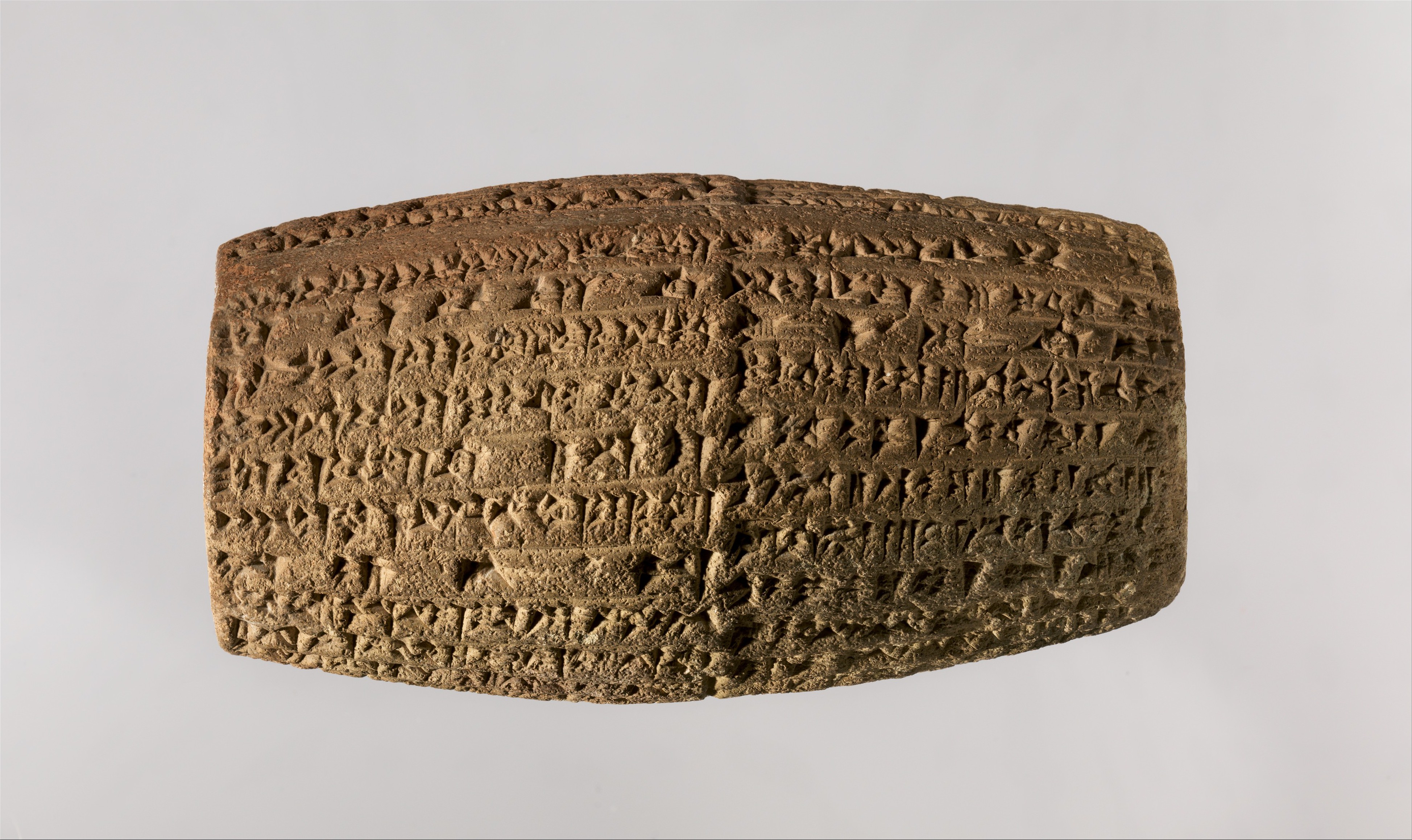
Isaiah’s language resembles and subverts ancient imperial discourse. Sennacherib and Nebuchadnezzar II advertise roads through difficult terrain, canals, irrigation, and royal provision. The Cyrus Cylinder presents Marduk’s chosen ruler restoring order. Direct literary borrowing need not be assumed, but Isaiah uses a shared repertoire of roads and waterworks to challenge imperial claims: ultimate life-giving kingship belongs to YHWH rather than Marduk or Cyrus.
O. Redaction / Composition Models
Four competing models explain formation and integration into Isaiah.
Deutero-Isaiah core model: Associated with Claus Westermann, treats 43:16–21 as a unified exilic salvation oracle, whose sea–desert contrast reflects a single prophet’s rhetorical skill rather than extensive later editing.
Tradition-history and progressive expansion: Proposes initially separate exodus, wilderness, and creation traditions combined during exile. A short promise of safe return may have acquired creaturely praise and formation language through later theological expansion.
Trito-Isaiah / eschatological expansion: The source associates Odil Hannes Steck, Ulrich Berges, and Jacob Stromberg with post-return reinterpretation in Isaiah 56–66. Isaiah 65:17’s new heavens and earth reuses 43:18–19, expanding historical return into cosmic eschatology[10]. Former things then becomes redefined in relation to former troubles rather than past deliverance[15].
Canonical-shape model: Associated with Brevard S. Childs and Christopher R. Seitz; attends to the sixty-six-chapter final form while retaining awareness of historical development[16]. Remember / do-not-remember tension intentionally links earlier judgment with later glory rather than merely reflecting authorial error or editorial fragmentation.
P. Claim–Evidence–Counterevidence–Confidence Matrix
Assessments of major interpretive issues.
| Central claim | Textual evidence | Counterevidence and alternatives | Assessment and confidence |
|---|---|---|---|
| 1QIsaᵃ’s paths in verse 19 reflects later assimilation rather than the earlier reading. | The preceding derekh may prompt familiar parallel wording, while verse 20’s water context favors rivers[8]. | Paths produces smoother parallelism and resembles passages such as Isaiah 42:16. | Very high in the source. The study strongly favors MT rivers through lectio difficilior. |
| Former things primarily refers to the exodus. | Chariot, horse, and sea-way imagery in 16–17 directly precedes verse 18[1]. | Elsewhere in 41–48, ri’shonot frequently refers to earlier prophecy[10]. | High in the source. The broader context concerns fulfillment, but the immediate unit points to exodus. |
| Animal praise is a cosmic saving statement rather than mere decoration. | Creatures of judgment become explicit worshipers and direct beneficiaries of water[1]. | Could be poetic exaggeration or a foil highlighting Israel as the principal beneficiary. | High in the source. The study finds coherence with peaceful creation in Chapters 11 and 65. |
Q. Teaching application audit: Direct meaning, canonical connection, and modern analogy
Evaluates “2026 New Life Festival, 7 Touches Lesson 2 — What Do People Live By?” against historical-grammatical exegesis. The aim is to distinguish interpretive layers rather than dismiss pastoral application.
| Life application / evangelistic theme | Classification | Exegetical assessment and distance |
|---|---|---|
| Do not remember → Clearing young adults’ hurts, failures, and former dependencies | Analogical application to contemporary circumstances | Former things primarily denotes great past deliverance, not failure. Liberation from old oppression can be analogous, but differs from the text’s challenge to a fixed theology of divine action[3]. |
| Wilderness / desert → Careers, relationships, finances, and future anxiety | Spiritual analogy through canonical extension | The wilderness was a real threat to exilic survival. Applying it to inward or socioeconomic emptiness is a homiletic analogy. |
| New thing → A personal plan or guarantee of employment and restored relationships | Weakly grounded or needing correction | The new action recreates a covenant people as witnesses within cosmic and historical salvation[1]. Reducing it to wish fulfillment loses covenantal weight. |
| Declare praise → Participation in 7 Touches and inviting new life | Contemporary analogy | Tehillah and safar include public testimony among nations, providing theological continuity with gospel witness and invitation. |
R. Conclusion
This study integrates past and future, memory and forgetting, desolation and life. Verses 16–17 recall YHWH’s sea deliverance to an exilic community, while verse 18 prevents even that majestic pattern from confining the living God[3]. The new thing is more than safe transit: desert rivers produce life and ecological re-creation exceeding the former exodus[2]. Even creatures associated with ruins and judgment become worshipers[1], while verse 21 gives the chosen and formed people a priestly vocation to proclaim divine glory throughout the world[9]. This is neither advice to forget hurts nor positive-thinking technique. Amid imperial oppression and death-marked space, divine life sprouts (tsamach) and forms Israel as a witness community within cosmic praise. Contemporary application should reorient individual and church vocation within that covenantal and eschatological horizon.
Cited sources
- enterthebible.org Isaiah 43:16-21 – Former Things and New Things - Enter the Bible
- workingpreacher.org Commentary on Isaiah 43:16-21 - Working Preacher
- austingentry.com Forget The Former Things | Transition - Austin Gentry
- biblehub.com Strong's Hebrew: 3284. יַעֲנָה (yaanah) -- Ostrich - Bible Hub
- lectorprep.org Lent 5
- pastorlife.com God Says I Will Comfort You In The Dry Places - PastorLife
- gluthermonson.blogspot.com God's New Thing - Law & Gospel Everywhere
- biblegateway.com Isaiah 40-65 NET - The Lord Returns to Jerusalem - Bible Gateway
- dokumen.pub Exodus in the New Testament 9780567702791, 9780567702784
- scholarworks.harding.edu The Interpretive Development of Isaiah 65:17
- interpreterfoundation.org The Great Isaiah Scroll (1QIsaa)—Catalogue of Textual Variants
- erudit.org Six Viable Readings from Isaiah 1–39 in the Great Isaiah Scroll
- hts.org.za
- vr-elibrary.de Continuity and Discontinuity
- academia.edu (PDF) The Trito-Isaiah Rewriting the Deutero-Isaiah - Academia.edu
- oro.open.ac.uk Download Final Version (PDF / 18MB) - Open Research Online
- obinfonet.ro A New Testament Biblical Theology - OBINFONET.RO