Study 3 · Dashboard
Full research text from the supplied Gemini chat
The author’s full research text is translated separately from the dashboard, retaining tables, citations, and source-access limitations. Claims and scores are the original draft’s assessments, not independently verified peer-review findings. Scripture quotations marked WEB use the public-domain World English Bible; other Hebrew renderings are lexical explanations.
World English Bible: Isaiah 43 · Public-domain notice
Isaiah 43:18–21: Social-Scientific, Memory-Theoretical, Theological, and Reception-Historical Study
A. Exilic / Return Social-Historical Map
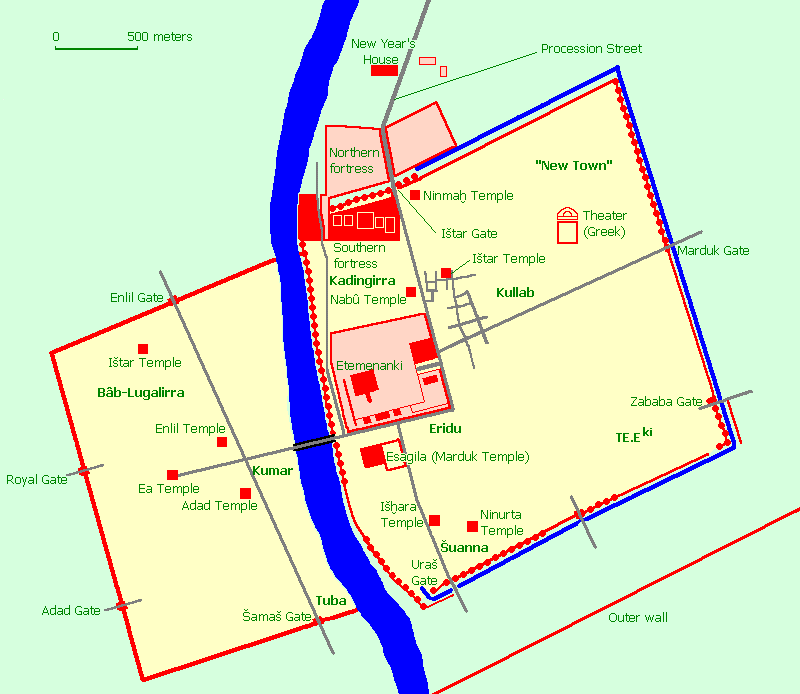
The historical setting spans Babylonian exile and the early Persian period. These verses do not explicitly name either empire, deportation policy, or return legislation. They directly depict pathlessness, water scarcity, and wild creatures. The wider Isaiah 40–55 context and ancient evidence allow reconstruction of forced migrants deprived of Jerusalem, temple, land, and Davidic monarchy[1]. The source associates Joseph Blenkinsopp and Lena-Sofia Tiemeyer with caution against assuming one homogeneous exilic group: perspectives from those remaining in Judah may also be present[4]. Relationships among deportees, homeland residents, and prospective returnees witnessing Cyrus’s rise shape how salvation is imagined.
| Analytical level | Direct evidence in 43:18–21 (Literary portrayal) | Reconstruction through 40–55 and ancient sources (Historical conditions) |
|---|---|---|
| Communal situation | Pathless wilderness and exhausted water supplies threaten survival. | Subjugated status after destruction of temple and loss of land[1]. |
| Empire and political order | No named imperial army or oppressor; the immediate focus is YHWH’s action. | Cyrus’s rise and Babylon’s fall provide the wider setting[3]. |
| Survival and mobility | Way enables movement and rivers sustain life[7]. | The source reconstructs an approximately 1,500 km Syrian-Arabian return journey requiring water[8]. |
| Identity and membership | Inclusive descriptions: My people, my chosen, a people formed for myself. | Diverse groups: Return-seekers, Babylon-assimilating communities, and Judah’s remaining population[8]. |
B. Divine / Prophetic Authority Models ≥6
Divine and prophetic authority models provide a basis for hope amid social disintegration, gathering a community through more than rhetorical ornament.
First, creator authority: Formation for God in 21 grounds the possibility of renewed life and community amid national despair[11]. Second, redeemer authority: Sea deliverance in 16–17 recalls continuing agency in history[1]. Third, authority over history: Imperial coercion and Cyrus’s decree become instruments beneath YHWH’s rule[8]. Fourth, covenantal election: My people / my chosen retains relational belonging despite institutional destruction[14]. Fifth, prophetic utterance: The new-thing declaration performs a saving horizon and calls for recognition[3]. Sixth, memory reframing: Recalling exodus and then interrupting it displays authority to renew tradition beyond a familiar template[10]. The source associates Berges’s research with temple-singer and scribal communities collecting and reinterpreting traditions in exile and postexilic Jerusalem, beyond a lone prophetic genius[10]. The models combine polyphonically to rebuild oppressed imagination.
C. Remembering–Forgetting Social-Memory Analysis
The prohibition does not mean erasing cognitive information. Maurice Halbwachs’s social memory theory describes memory as continually reconstructed within present social frames[19]. Jan Assmann’s cultural memory concerns foundational events represented to form collective identity[19]. Through this lens, exodus memory sustains Israel yet can also painfully accentuate present exile.
The command selectively reorders memory and critiques idealization. The source draws on Aleida Assmann’s preservative-forgetting and archival concepts to consider how overwhelming past patterns can be retained without dominating the future[21]. Absolutizing one saving method constricts imagination. Renewed memory opens action—return and rebuilding—rather than falsifying history, making tradition a resource instead of a shackle.
D. Old Exodus–New Future Memory Matrix
Isaiah 43:16–17 recalls the sea way and destroyed chariots, while 18–21 announces a different future. The source associates Hyun Chul Paul Kim with creative intertextual reuse of inherited motifs[9].
| Literary / theological feature | 43:16–17 (Former exodus remembered) | 43:18–21 (New future declared) |
|---|---|---|
| Spatial / geographical setting | Sea and mighty waters (Egyptian exodus)[1] | Wilderness, desert, dry ground: the Babylonian–Syrian journey[7] |
| Divine saving action | Makes passage through overwhelming waters | Creates way and rivers in waterless terrain |
| Fate of hostile forces | Pursuing chariots, horses, and army lie extinguished like a wick | Destructive judgment gives way to benefits for jackals and ostriches |
| Transformed role of water | Instrument of judgment: Destructive water overwhelming enemies | Source of survival and life: Water for the chosen people[9] |
| Approach to memory | Recalled as sacred foundation of collective identity | Prohibited fixation on the old pattern[25] |
The familiar exodus story alone cannot contain the community’s new reality of marginal life and long return. Reusing its language while moving from battle to ecological preservation creatively addresses tension between inherited salvation and imperial experience. Babylon is not mechanically another Egypt; the horizon becomes new creation.
E. Salvation Purpose Models ≥5
Salvation’s purposes are multilayered. Material needs must not be over-spiritualized, nor theological purpose reduced to survival.
A. Return model: The wilderness way provides displaced Judeans with concrete passage to Zion[3]. Excluding this loses historical specificity.
B. Survival model: Desert rivers preserve the community physically and ecologically amid harsh imperial conditions[9].
C. Belonging model: My people / my chosen emphasizes restored covenantal relationship beyond relocation[14].
D. Praise and witness model: Verse 21 points beyond beneficiaries’ well-being toward public recounting of redemption among nations[26].
E. Re-creation model: Changed desert and responsive creatures integrate human salvation with cosmic ecological renewal[9].
F. Empire–God–Community Power Matrix
Ancient rulers advertised roads, canals, and irrigation as signs of conquest and sacred delegated rule[28]. Isaiah subverts these claims by assigning ultimate road- and river-making to YHWH rather than Cyrus or Marduk[1]. Passive imperial subjects become recipients and active respondents, praising the true savior and challenging imperial grandeur from within shared discourse.
G. Way–Water–Material Survival Analysis
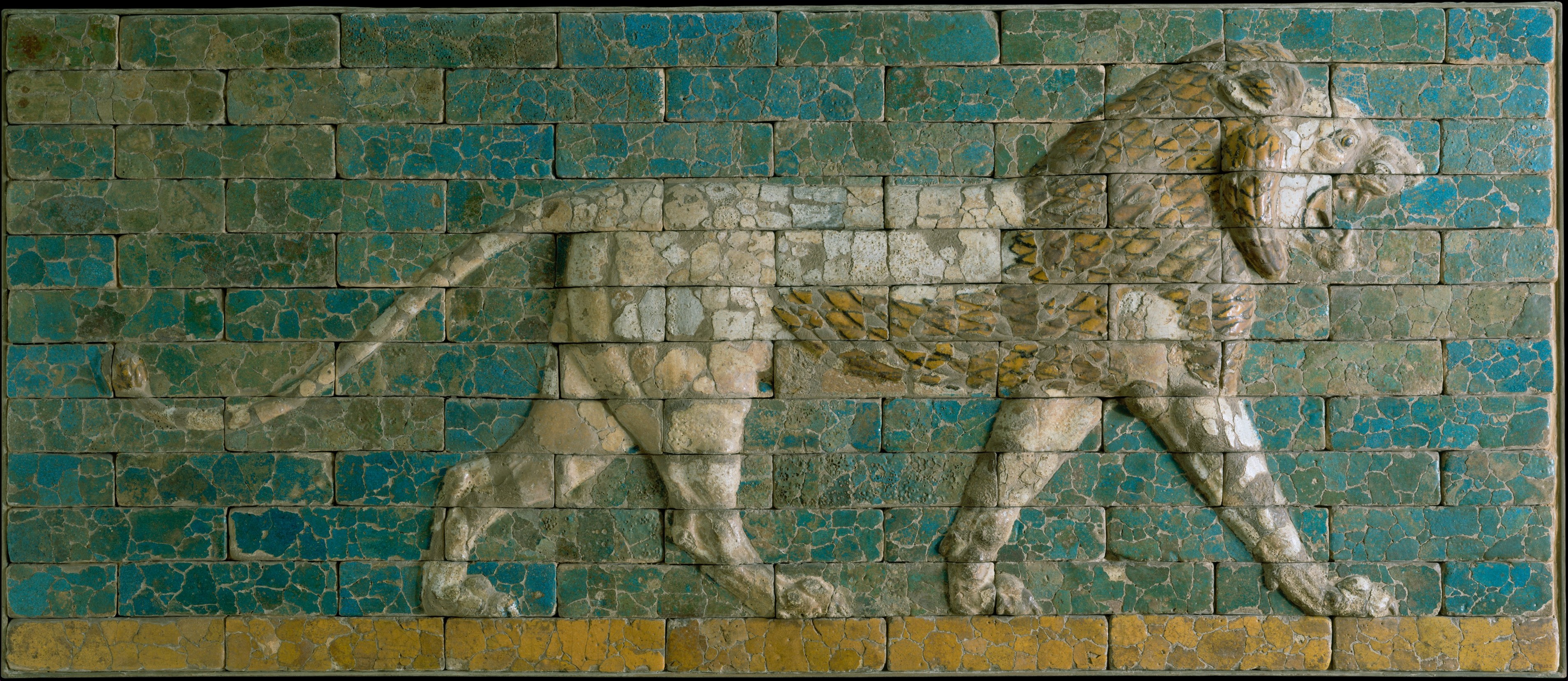
Water and way are material conditions separating life from death. Without drinking supplies and passage across the source’s Syrian-Arabian geography, collective return and continuity are inconceivable[8]. Desert rivers therefore promise safety and settlement beyond inward consolation. Modern analogies to employment, finances, or relationships must not diminish displaced people’s bodily hunger and thirst into light psychological illustration[9].
H. Belonging / Chosen / Formed People Identity Model
My people (עמי), my chosen (בחירי), and the people formed for myself (עם זו יצרתי לי) reconstruct identity fragmented under empire. The source draws on Patricia K. Tull and Blenkinsopp to identify several functions[3]. Chosen reaffirms belonging despite national loss, while yatsar presents identity dynamically formed through present suffering and deliverance rather than creation only in the past[11]. This belonging comforts amid anxiety and marks boundaries against assimilation; it carries communal weight beyond individual career or talent discovery.
I. Praise / Proclamation / Divine Honor Model
The purpose of praise in 43:21 has ethical and teleological force. Constructively, public remembrance of salvation offers a liberating alternative to the power and honor claimed by Babylonian gods and empire[26]. Critically, people might be reduced to instruments of divine prestige or salvation treated as a transaction for submission. Modern transfer of this language to unconditional leader loyalty or institutional growth must be constrained. Praise challenges oppression rather than legitimating human hierarchy.
J. Divine Initiative–Human Response Safeguards
The grammar does not establish prior human qualification for salvation. Verse 18 interrupts fixation, while 19–20 assigns action to YHWH. The audience is called to recognize (תדעוה) that sovereign grace[25]. Making complete psychological clearing a prerequisite for divine action distorts this flow. Blaming prolonged suffering on insufficient spiritual preparation turns grace into coercive rhetoric.
K. Promise–Failure–Accountability Matrix: 43:21–28
The grace of being formed for praise in 21 stands in tension with the following accusation that Jacob has not called on God and Israel has grown weary[17].
Constructive theological model: Despite ritual and ethical failure, God forgives for God’s own sake (25)[36]. Promised identity does not rest on achievement; accusation and forgiveness become the means of renewal.
Critical constraint: The ideal belonging of verse 21 must not conceal real wrongdoing and suffering. The text itself limits election’s misuse as an escape from reflection and repentance[10].
L. Human–Nonhuman Community / Ecological Reading
Wild creatures honoring God in 20 challenges anthropocentric salvation. In the covenantal-ecological reading associated with Patricia Tull, their response is more than ornamental background[9]. The saving community includes nonhuman life sharing wilderness water with people[27]. Creatures’ honor also mirrors the chosen people’s failure in 22. The passage does not directly prescribe modern environmental policy, but wider creaturely preservation can ground reflection on ecological responsibility.
M. Trauma-aware Reading and Explicit Limits
Sixth-century Babylonian exile involved collective trauma through fractured families, lost land, and destroyed temple and monarchy[8]. Consolation and salvation can be read as theological meaning-making amid traumatic memory carried across generations[39]. A way through pathlessness counters displacement’s insecurity and opens continued life.
Interpretive safeguards remain necessary. Do not impose a uniform clinical PTSD diagnosis on ancient writers or communities, or use the command about former things to silence survivors and suppress feeling. A trauma lens can illuminate hope-making literature but cannot turn biblical salvation into a mechanical substitute for clinical care.
N. Canonical Dialogue Matrix
| Isaiah 43 theme | Comparison text | Continuity | Difference | Relationship type | Step needed before contemporary application |
|---|---|---|---|---|---|
| Former deliverance and a new way | Exod 14-15; Isa 51:9-11 | Divine sovereignty makes passage amid overwhelming obstacles[1] | Exodus divides water for dry land; Isaiah supplies water to dry terrain | Theological analogy and subversive reuse of tradition | Reflect on the move from ancient spatial escape to liberation from contemporary oppression |
| Wilderness survival | Exod 17; Deut 8 | God supplies water and life during a dry journey | Isaiah includes wild creatures within care[9] | Thematic continuity extended across creation | Explore care for life beyond private well-being |
| Remembering and forgetting | Isa 46:8-11; 48:3-8 | Recalls divine rule and historical intervention | 43:18 prohibits fixation while Chapter 46 urges remembrance | Dialectical tension according to rhetorical purpose | Distinguish historical truth-telling from relinquishing a limiting pattern |
| Water and new life | Isa 41:17-20; 44:1-5 | Wilderness water quenches thirst and renews life | 44 develops water into the Spirit poured on descendants | Reused vocabulary and theological analogy | Integrate material and social preservation with inward and spiritual renewal |
| Election and praise | Isaiah 43:1–13; Psalm 105 | God’s fidelity in choosing and covenanting with a people | Praise challenges imperial power amid exile | Shared historical memory and poetic-liturgical application | Restore praise as witness to liberation rather than unquestioning organizational service |
| Expanding new creation | Isa 65:17-25 | The new-thing motif renews order[1] | Chapter 43’s wilderness imagery expands into new heavens and earth in 65 | Literary development and eschatological expansion through Trito-Isaianic reinterpretation | Reflect on historical salvation’s movement toward universal new creation |
| People and proclamation of excellence | 1 Pet 2:9-10 | Chosen people, divine possession, proclamation of excellence (Arete)[26] | 1 Peter extends Israel’s covenant language to a community in Christ including Gentiles | Canonical allusion through active LXX reception[26] | Prevent Christian application from nullifying historical Israel through supersessionism |
O. Israel–Church–Individual Reception Layers
Interpretation expands through distinct historical and contemporary layers.
A. Historical Israelite community: A sixth-century utterance promising actual ways and water for exiles’ return and survival.
B. Final-form theology of Isaiah: Postexilic formation integrates suffering, YHWH’s uniqueness, and eschatological new creation within a canonical text[29].
C. New Testament canonical reuse: Early Christian LXX reception forms the missionary and priestly identity of a Jewish–Gentile community in Christ (1 Peter 2:9)[14].
D. Christian communal application: Liturgical and preaching use encourages trust, renewal, and mission amid suffering[44].
E. Personal application: Believers internalize way-and-water imagery as comfort and direction amid career uncertainty, isolation, and anxiety[34]. Such movement must neither erase ancient Israel’s material referent nor reduce cosmic communal salvation to private psychological success.
P. Jewish–Christian Reception Summary
Jewish and Christian traditions appropriate the passage through their distinct crises and identities. The source presents the following historical examples.
Targum Jonathan emphasizes divine power while the subsequent accusation highlights refusal of the Memra, idolatry, and exile, preserving tension between election and moral failure[45]. Rashi limits former things to Egyptian miracles, magnifying the new deliverance after Babylonian exile[46].
The source links Augustine and medieval liturgy with Lenten readings and spiritual interpretations of rivers as the Spirit and inner refreshment[48]. Calvin reads new action as arriving amid acknowledged inability at a human dead end[34]. This emphasizes grace over Pelagian merit and takes verse 21 as directing created life toward praise of the creator[11]. Modern Christian reception often joins 1 Peter 2:9 to support missionary identity as a royal priesthood called from darkness into light[26].
Q. Modern New-Thing / Religious-Authority Misuse Audit
New-thing and do-not-remember rhetoric can be misused. The following hypothetical patterns are paired with safeguards.
| Hypothetical abuse pattern | Specific description of misuse | Interpretive safeguard |
|---|---|---|
| Pattern A. Calling a leader’s private plan God’s new thing | Uses construction, restructuring, or growth programs to demand uncritical support under the verse’s authority. | YHWH is the initiating creator; equating divine action with organizational output or worldly honor idolizes power[33]. |
| Pattern B. Demanding oppressive forgetting of harm and responsibility | Uses the verse to compel premature silence or reconciliation without addressing injustice and structural failure. | The rhetorical interruption of a limiting frame does not absolve perpetrators or erase wrongdoing[21]. |
| Pattern C. Blaming suffering on inadequate spiritual preparation | Interprets unresolved employment or financial hardship as failure to clear former dependencies. | Water is divine grace and care rather than payment conditional on psychological achievement[34]. |
| Pattern D. Guaranteeing prosperity | Promises miraculous resolution of admission, employment, or money problems through belief and prayer. | The material water first serves a displaced community’s survival and cannot become a guarantee of individual capitalist success. |
| Pattern E. Equating praise with organizational loyalty | Confuses praise with uncritical conformity to a religious group. | Liberative response to salvation allows prophetic criticism of authority[10]. |
| Pattern F. Declaring nonreligious lives meaningless | Denies ultimate meaning or value to people outside church programs or faith. | Life’s value and relational purpose are complementary; religious interpretation must not demean others’ dignity or choices. |
R. Strongest constructive and critical readings of evangelistic application
An academic and ethical assessment of “2026 New Life Festival, 7 Touches Lesson 2 — What Do People Live By?” follows.
Constructive reading: Strongest case Wilderness analogy translates young adults’ career uncertainty, poverty, loneliness, and anxiety into a pastoral language of exilic despair. Reconsidering old dependencies resonates with relinquishing a fixed exodus pattern[7]. The promise offers purpose and belonging as support amid anxiety. Listening to invitees’ pain rather than treating them as conversion totals expresses solidarity and care as the ethics of praise.
Critical reading: Strongest case Reducing hardship to inadequate inward clearing hides structural inequality. Defining another’s emptiness in religious terms can be coercive, and presenting 7 Touches as the only fulfillment path overrides autonomy. Respect for religious choice and refusal is necessary to prevent vocation from becoming a demand for results.
S. Twelve-stage social memory script and verification
| Stage | Social memory script | Supporting verse | Inference level, verification, and alternatives | Confidence |
|---|---|---|---|---|
| 1 | The community recalls God’s former way-making. | Verse 16 | Explicit: Recalled exodus tradition[1]. | High in the source |
| 2 | Former salvation establishes divine identity. | Verses 16–17 | Explicit: Identity of the holy one defeating imperial force. | High in the source |
| 3 | The community must not limit new action to the past pattern. | Verse 18 | Explicit: Reordered memory and renewed tradition[23]. | High in the source |
| 4 | God declares new action. | Verse 19a | Explicit: Divine initiative in the new-thing declaration. | High in the source |
| 5 | Newness sprouts now. | Verse 19b | Explicit: The tsamach (צמח) metaphor. | High in the source |
| 6 | The audience is asked to recognize it. | Verse 19c | Explicit: Recognition, not a human causal prerequisite. | High in the source |
| 7 | Passage opens in pathless space. | Verse 19d | Explicit: Return and a route sustaining life. | High in the source |
| 8 | Survival resources enter waterless space. | Verses 19e, 20b | Explicit: Sustenance and consolation[9]. | High in the source |
| 9 | Nonhuman creatures respond. | Verse 20a | Explicit: Ecological re-creation and solidarity[27]. | High in the source |
| 10 | Election and belonging are reaffirmed. | Verses 20c, 21a | Explicit: My chosen and a people formed for myself. | High in the source |
| 11 | The formed community becomes a speaking agent of praise. | Verse 21b | Explicit: Salvation’s purpose in witness and honor. | High in the source |
| 12 | The following indictment demands response and responsibility. | Verses 22–28 | Explicit: Ideal identity does not excuse ethical failure[17]. | High in the source |
T. Claim–Evidence–Counterevidence–Confidence Matrix
| Key claim | Textual and scholarly evidence | Counterevidence and considerations | Assessment and confidence |
|---|---|---|---|
| Deutero-Isaiah reflects temple-singer / scribal communal theology | The source associates U. Berges with communities of servants in Babylon and Judah shaping inherited traditions[10]. | J. Goldingay and others continue to support a leading individual prophetic voice on grounds of literary coherence[33]. | Medium–high. Collective authorship remains disputed, while intentional arrangement and renewal of tradition are broadly recognized in the source’s assessment. |
| 43:18 critically renews the exodus pattern | The contrast of 16–17 and 18–19, memory renewal associated with A. Assmann, and Rashi’s emphasis on greater new miracles[21]. | Isaiah 46:9 instead demands remembrance as a foundation of faith. | High. The study judges the prohibition a contextual rhetorical paradox challenging a past-bound framework of despair. |
| Desert ways and water are material survival conditions beyond spiritual metaphor | The reconstructed 1,500 km geography and creaturely benefits in verse 20[8]. | 44:3 explicitly develops water imagery into the Spirit poured on descendants. | High. Spiritual development is possible, but the metaphor depends on historical passage and bodily thirst. |
U. Contemporary application
For young adults seeking purpose amid anxiety, the passage offers comfort and vocation through wilderness imagery resonating with hardship and isolation. Applied analogically, the prohibition can challenge confinement to failure and imposed success patterns. Yet suffering must not be blamed on deficient faith or spiritual clearing: divine care precedes response. Being formed for God gives dignity and purpose rather than requiring unquestioning conformity. Contemporary application should offer unconditional hospitality, practical support for survival, and invitation into voluntary praise and solidarity.
V. Final conclusion
Isaiah 43:18–21 rebuilds identity and hope amid imperial violence and displacement. It renews exodus memory without confining God’s future to an inherited method or erasing responsibility. Ways and water promise movement and survival, extending salvation toward ecological re-creation including wild creatures. Grace renews the people’s covenantal belonging and forms them for joyful public witness, beyond exploitation for religious performance. The accusation in 22–28 prevents vocation from concealing ethical failure and calls for reflection grounded in forgiveness. Jewish and Christian reception has repeatedly found divine sovereignty and grace here. Contemporary use must resist reinforcing religious power or shifting blame onto sufferers, instead practicing empathy, hospitality, and solidarity in isolated lives. The theological struggle reflected in singers and scribes continues to awaken oppressed imagination and direct communities toward the creator’s renewing liberation.
W. Bibliography in SBL second-edition style and source-access limitations
The original report states that it is an independent synthesis based on fragmented supplied snippets. Full bibliographic verification—page numbers, publication places and years, and journal volumes—would require primary and secondary literature databases beyond its restricted environment. It therefore selectively synthesizes discussions including Ulrich Berges’s theory of exilic temple-singer composition[17], Patricia K. Tull’s covenantal ecology and rhetorical criticism[9], Hyun Chul Paul Kim’s poetic intertextuality[9], and the macro-commentary approaches associated with Claus Westermann and Joseph Blenkinsopp[1] . It also acknowledges indirect citation in its treatment of Jan and Aleida Assmann’s memory theories[19]. Within these limits, the supplied study seeks a balanced argument about theological and social-scientific questions. Translation preserves the access limitation and does not certify the bibliography as independently verified.
Cited sources
- academia.edu (PDF) The Trito-Isaiah Rewriting the Deutero-Isaiah - Academia.edu
- en.wikipedia.org Babylonian captivity - Wikipedia
- ldsscriptureteachings.org The Legacy of Josiah in Isaiah 40–55 - LDS Scripture Teachings
- brill.com For the Comfort of Zion – The Geographical and Theological ... - Brill
- jhsonline.org View of Tiemeyer, Lena Sofia, For The Comfort of Zion
- vr-elibrary.de Continuity and Discontinuity
- biblestudytools.com Isaiah 43:18-21 - NLT - “But forget all that— it is nothing compared to
- brill.com Decentering Exile - Brill
- cambridge.org Isaiah as Literature (Part III) - The Cambridge Companion to the
- brill.com farewell to deutero isaiah or prophecy - Brill
- studylight.org Isaiah 43:18 - by-Verse Bible Commentary - StudyLight.org
- cdn.mohrsiebeck.com Isaiah and Intertextuality - Mohr Siebeck
- digitalcommons.liberty.edu Environmental Archetypes in Isaiah's Kingship Polemic
- preceptaustin.org 1 Peter 2:9-10 Commentary - Precept Austin
- etd.library.emory.edu Assessing and Clarifying Rhetorical Criticism(s) of the Pauline Epistles
- lptsstor.blob.core.windows.net curriculum vitae patricia kathleen tull ab
- repository.up.ac.za Servant and Suffering in Isaiah and Jeremiah - University of Pretoria
- repository.up.ac.za Isaiah 55–66 and the Psalms: Shared Viewpoints, Literary
- kulturiskvlevebi.weebly.com Collective Memory and Cultural Identity Author(s): Jan Assmann and
- scribd.com (Maurice Halbwachs) The Collective Memory | PDF - Scribd
- german.utoronto.ca Performing the Past
- academia.edu (PDF) Assmann, Jan - Cultural Memory and Early Civilization
- scribd.com Aleida Assmann's Forms of Forgetting | PDF | Archive - Scribd
- archiv.ub.uni-heidelberg.de Cultural Memory and the Myth of the Axial Age
- tips.translation.bible Translation commentary on Isaiah 43:18 – TIPs
- foryournamessake.org Divine Election, Covenant Identity, and Covenant Vocation
- baylor-ir.tdl.org Covenantal Ecology: The Promise of Covenant for a Christian
- scielo.org.za The theme of the Babylonian exile as imprisonment in Isaiah 42:22
- denverjournal.denverseminary.edu What's New in Isaiah? A Review article of Lena-Sofia Tiemeyer
- workingpreacher.org Commentary on Isaiah 43:16-21 - Working Preacher
- enduringword.com 1 Peter 2 – The Glory and the Duty of God's People - Enduring Word
- place.asburyseminary.edu The relationality of the Holy One of Israel in the book of Isaiah
- crosstownokc.org Oklahoma City, OK > The Life-Giving Love of God - Crosstown Church
- foundationsforfreedom.net Isaiah 43:18–21: Seeking God's Will in Difficult Times | BFF
- netbible.org Isaiah 43 | Lumina - NET Bible
- netbible.org Isaiah 43 | Lumina - NET Bible
- scielo.org.za Old Testament Essays
- nbn-resolving.org Trauma in the Apocryphon of Jeremiah C
- ote-journal.otwsa-otssa.org.za Rereading Isaiah's Vision (Isa 6) through the Lens of Generational
- workingpreacher.org Commentary on Isaiah 42:1-9 - Working Preacher
- biblehub.com 1 Peter 2:9 But you are a chosen people, a royal priesthood, a holy
- zcrcimus.org A Living Stone and God's People (Part 2) (Exodus 19:1-6 and 1
- researchgate.net (PDF) The Book of Isaiah in Contemporary Research - ResearchGate
- learn.ligonier.org A Royal Priesthood in Christ | Reformed Bible Studies & Devotionals
- ia600109.us.archive.org The Isaiah Targum
- sefaria.org Rashi on Isaiah 43:18:1 with Tanakh | The Sefaria Library
- hebrewbible.app Isaiah 43 Commentary: Rashi, Ibn Ezra & Tze'enah Ure'enah
- bible.oremus.org Isaiah 43:18-21 - oremus Bible Browser
- biblegateway.com Isaiah 43:18-21 - Revised Standard Version Catholic Edition
- thegospelcoalition.org The Church's High Calling - Don Carson - 1 Peter 2:9-10
- dokumen.pub A Critical and Exegetical Commentary on Isaiah 40-55